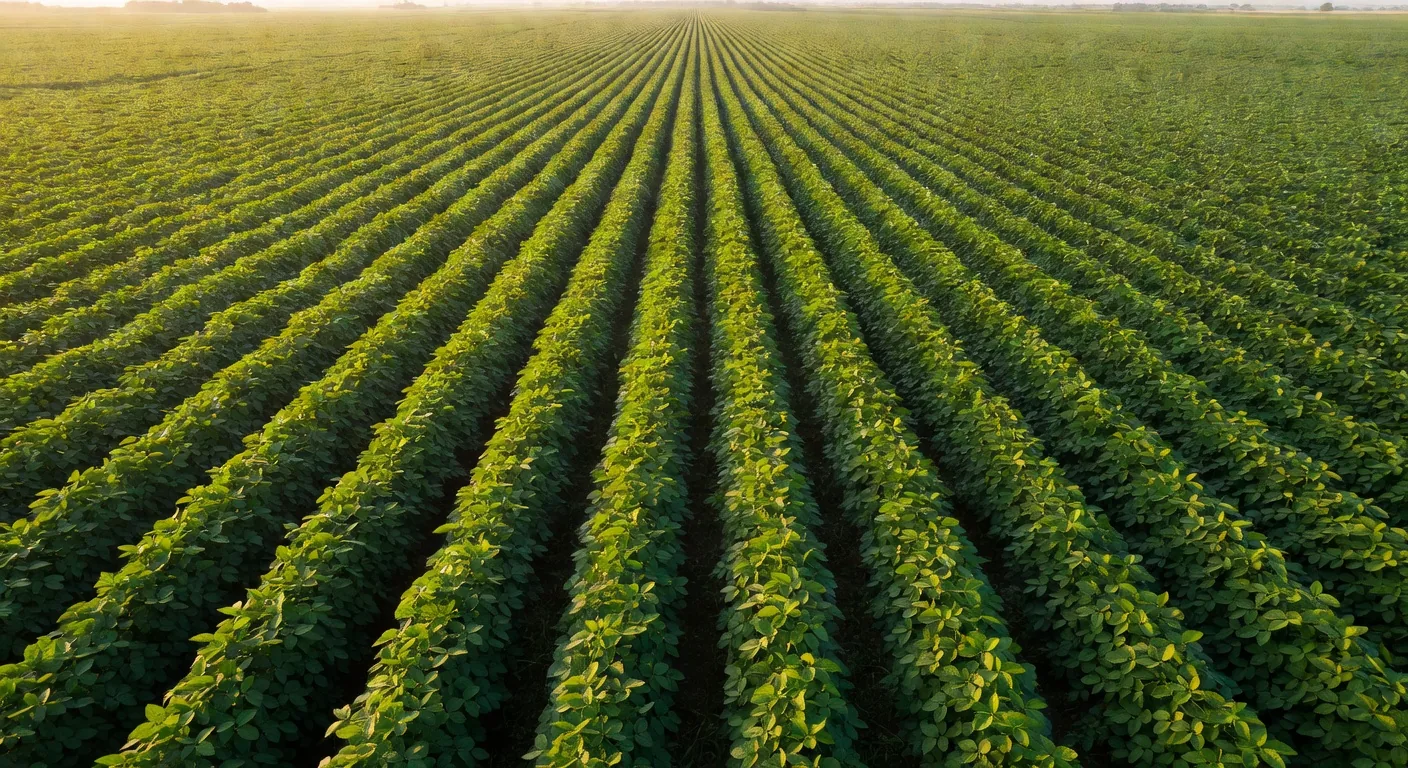
Soybean field at golden hour
The Global Shift

Why Plant
Proteins.

Soy delivers a complete amino acid profile at a fraction of the land, water, and carbon cost of animal protein. For formulators, the question is no longer if — it's which isolate.
Market Momentum

The Numbers Behind the Shift

Plant protein isn't a trend — it's a structural transition in how the world sources nutrition.

$35B
Global Market by 2030

The global plant protein market is projected to reach $34.97 billion by 2030, growing at a CAGR of 7.9%.

— MarketsandMarkets, 2025
61%
Prefer Plant Protein

Of global consumers now consider plants as their preferred protein source. Approximately 46% identify as flexitarian.

— Future Market Insights / ADM, 2025
$1.35B
India by 2030

India's plant protein market is growing at 6.3% CAGR — among the fastest-growing markets in the category globally.

— Mordor Intelligence, 2025
Land Use
75% Lower
Agricultural Footprint

Soy protein requires significantly less agricultural land per kilogram of protein compared to animal-based sources.

Water Conservation
Radically Reduced
Water Usage

Producing one kilogram of soy protein uses a fraction of the fresh water required for equivalent animal protein.

Carbon Reduction
Lower Lifecycle
GHG Emissions

Plant protein production generates significantly fewer greenhouse gas emissions across the full supply chain lifecycle.

The Case for Plant Protein

Three forces driving the global transition.

01

Resource Efficiency

The arithmetic is straightforward: producing plant protein requires less land, less water, and less energy per unit of protein than raising livestock. As arable land becomes scarcer and water tables decline, this efficiency gap becomes a strategic advantage for food manufacturers.

  • Lower land requirement per kg of protein
  • Reduced freshwater consumption
  • Higher protein yield per hectare
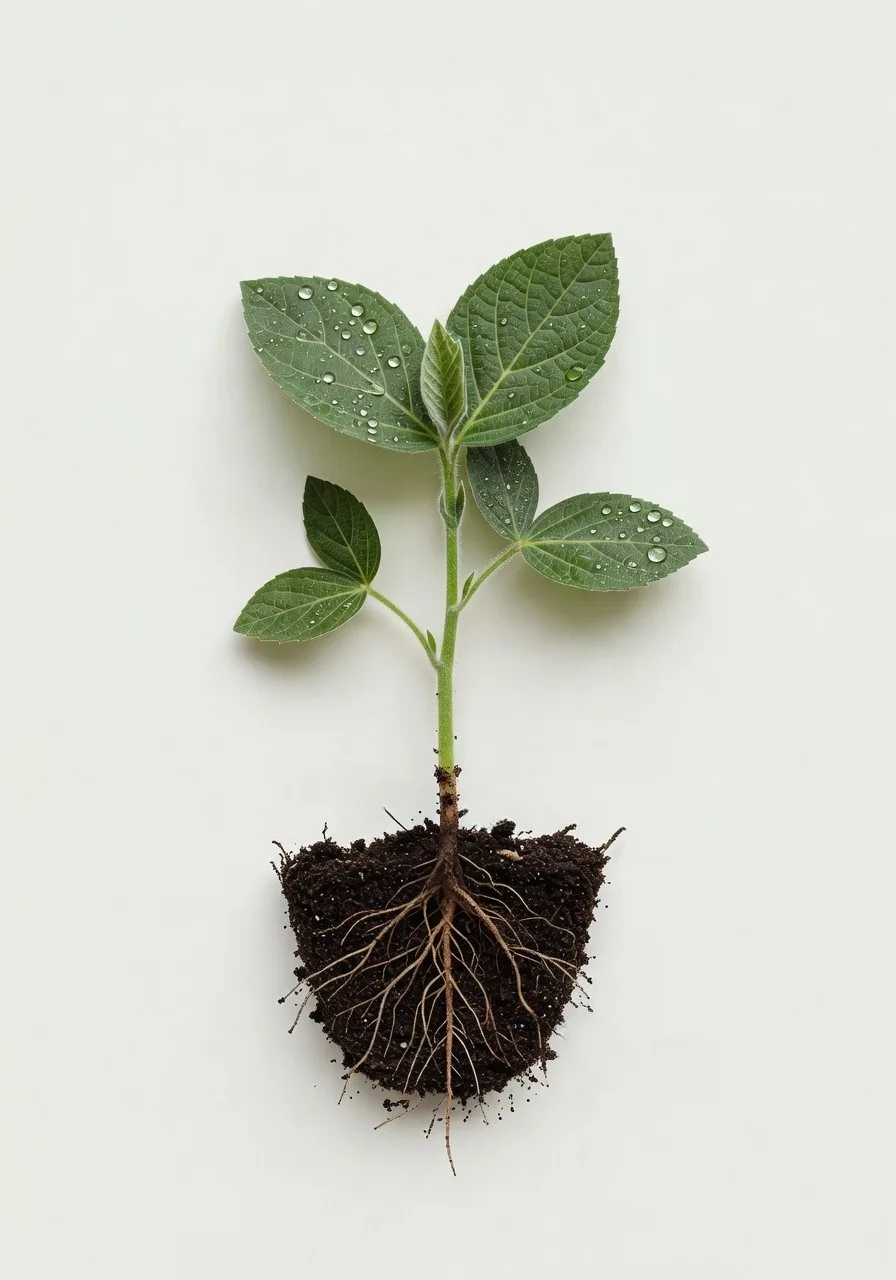
Soybean plant in healthy soil — illustrating resource-efficient plant protein farming
02

Lower Emissions

Animal agriculture is one of the largest contributors to global greenhouse gas emissions. Plant protein production sidesteps enteric fermentation, reduces manure-related methane, and shortens the supply chain from field to finished ingredient. For food brands pursuing science-based emission targets, plant protein is a direct lever.

  • No enteric methane emissions
  • Shorter field-to-ingredient supply chain
  • Supports science-based climate targets
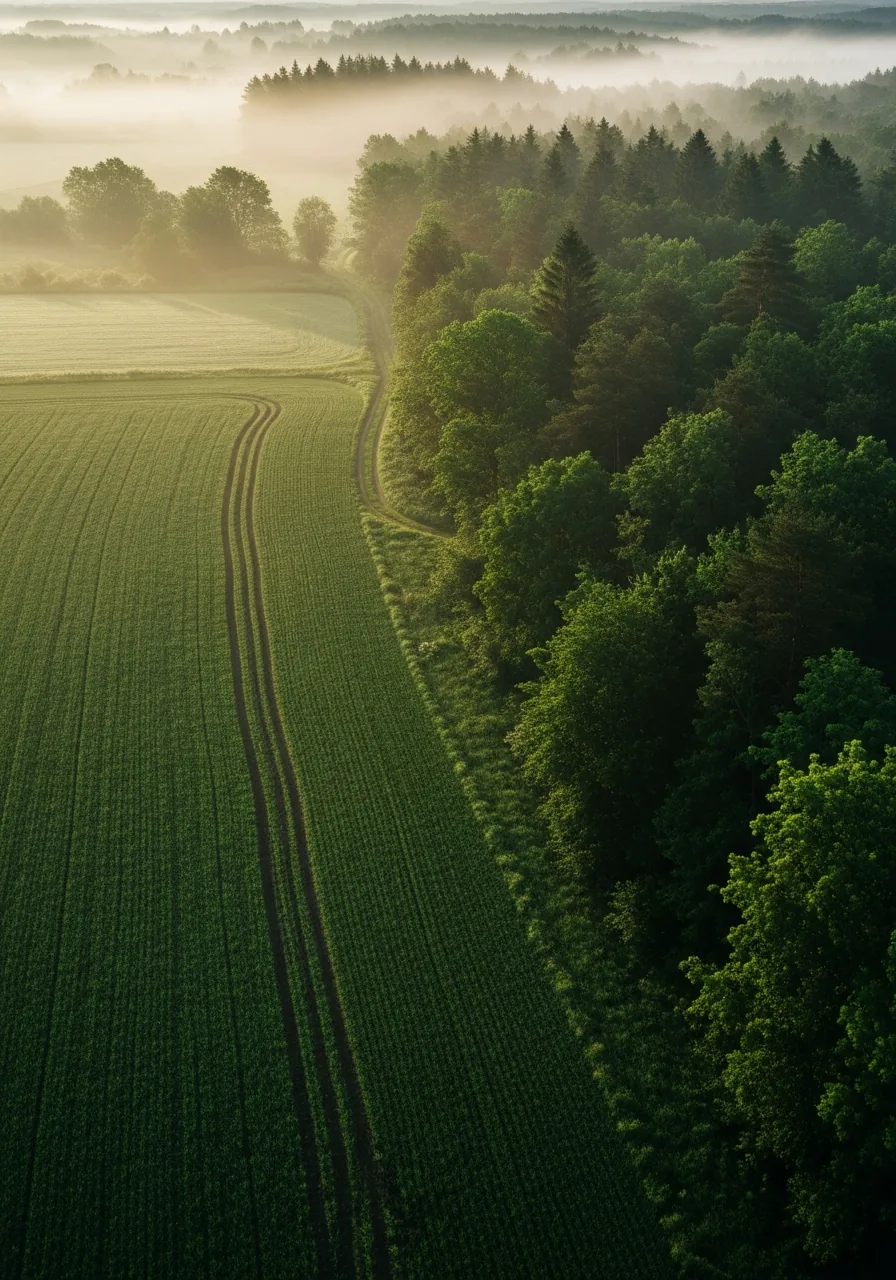
Green farmland bordered by forest — lower-emission plant protein supply chain
03

Diverse Dietary Needs

Consumer demand is shifting. Flexitarian, vegan, and allergen-conscious diets are growing across every market segment. Plant proteins enable food manufacturers to serve these consumers without compromising on taste, texture, or nutritional density. Soy protein isolate, in particular, offers a complete amino acid profile comparable to animal protein.

  • Complete amino acid profile
  • Dairy-free, lactose-free alternative
  • Growing flexitarian & vegan consumer base
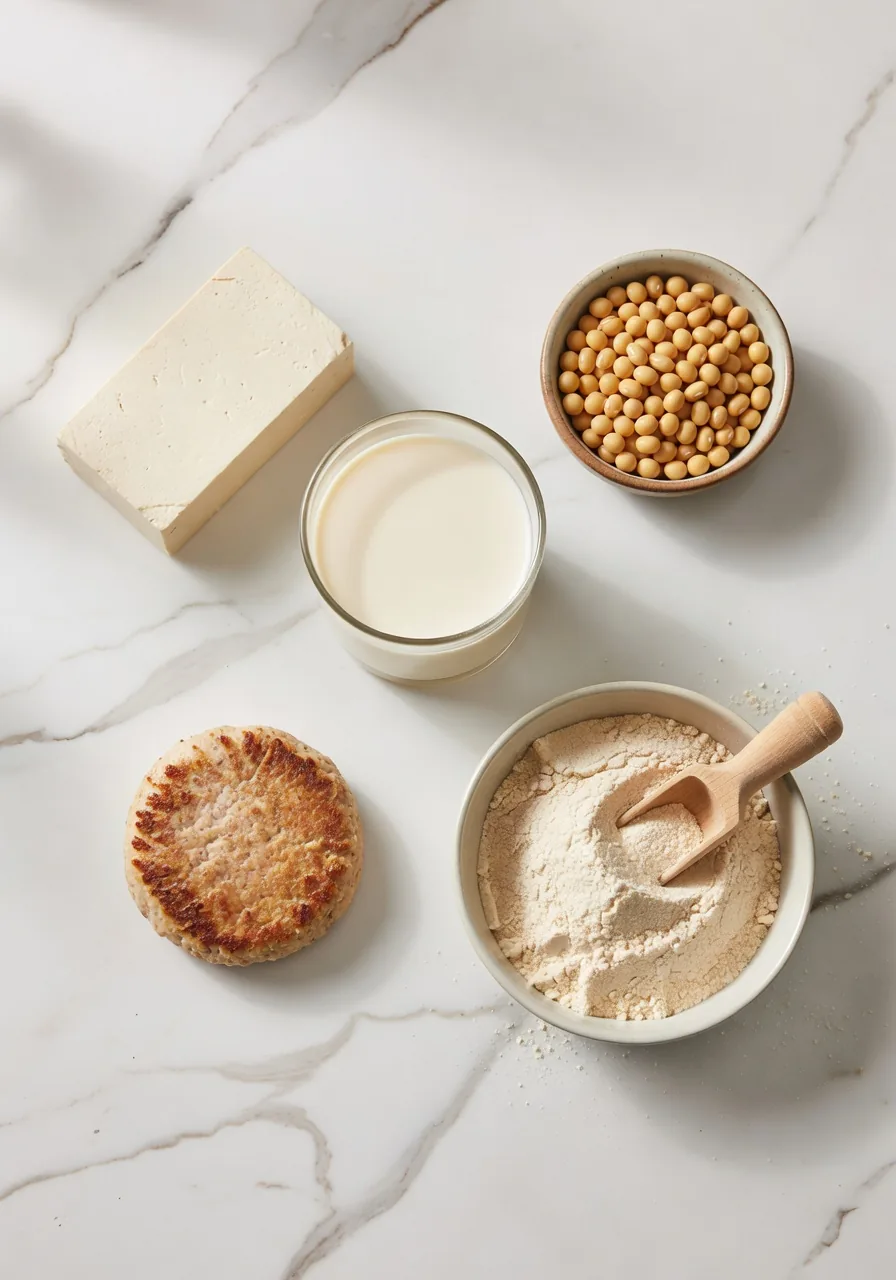
Plant-based protein foods for diverse, flexitarian and vegan diets
Where We Fit

Built for This Shift

Fytomax was founded to serve this transition — not as a trend, but as a structural change in how the world sources protein. Our membrane filtration technology preserves the native structure of soy protein, delivering superior functionality for food manufacturers who need performance alongside sustainability.

With Mahyco's 60+ years of agricultural science ensuring traceable sourcing, and Kanoria's industrial processing expertise enabling scale, Fytomax bridges the gap between plant protein's promise and its practical application.

Membrane-Filtered

Physical separation preserves the native globular protein structure — higher solubility, cleaner taste, better functionality.

Circular Value Model

Every co-product — soy fiber, soy syrup — is captured and utilized. Full biomass utilization, zero hazardous waste.

Seed-to-SPI Traceability

From Mahyco's contract farming to finished isolate — full documentation at every stage.

Scale-Ready Infrastructure

Greenfield manufacturing facility in Ch. Sambhajinagar, Maharashtra, with commercial production from 2026.

Ready to Reformulate?

Whether you're developing a new plant-based product or reformulating an existing one, our team can help you evaluate FYTONEX for your specific application.